Bob_M
Bob_M
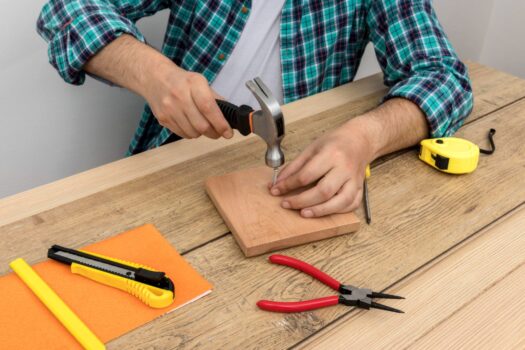
Walk into any hardware store, and it’s easy to get distracted by the latest power tools.
Cordless drills, circular saws, laser levels, and countless other gadgets promise to make projects faster and easier. While many of these tools are incredibly useful, there’s one thing every experienced DIYer knows:
Disclaimer:
Our recommendations are based on extensive experience with and/or knowledge of these products, and we do so not because of the modest commissions we could earn but rather because we believe they are actually beneficial and useful. We are honored to be these tools' affiliates. We might receive commissions from Amazon, and other merchants when you buy something after clicking one of our links. Our affiliate policy is covered in more detail here. If you don't think these things will help you accomplish your goals, please don't spend any money on them.
Great projects still start with great hand tools.
Long before power tools became common, craftsmen, carpenters, mechanics, and homeowners relied on hand tools to build, repair, and maintain almost everything around them. Even today, many tasks are still best completed with a hammer, screwdriver, wrench, or pair of pliers rather than a power tool.
The reason is simple.
Hand tools offer a level of control, precision, and versatility that machines often can’t match. They allow you to work carefully, solve problems quickly, and perform countless repairs without needing batteries, extension cords, or expensive equipment.
Whether you’re assembling furniture, hanging shelves, fixing a loose cabinet door, repairing a bicycle, tightening plumbing fittings, or tackling your first DIY project, a solid collection of hand tools will become one of the most valuable investments you can make as a homeowner.
The good news is that building an effective hand tool collection doesn’t require hundreds of tools or a professional workshop. A relatively small selection of quality tools can handle the vast majority of everyday repairs and improvement projects.
In this guide, we’ll explore the essential hand tools every homeowner should know, how to choose tools that will last, common mistakes beginners make, and practical ways to build a toolkit that grows alongside your skills.
Before we look at specific tools, let’s start with a simple question: what exactly qualifies as a hand tool, and why do they remain such an important part of every DIY toolkit?
What Are Hand Tools?
Simply put, hand tools are tools that are powered by human effort rather than electricity, batteries, or compressed air.
They include many of the tools most people immediately recognize:
- Hammers
- Screwdrivers
- Pliers
- Wrenches
- Utility knives
- Chisels
- Hand saws
- Measuring tools
While modern power tools can speed up many tasks, hand tools remain the foundation of almost every workshop, garage, and toolbox.
In fact, even professional contractors who use power tools every day still rely heavily on hand tools to complete their work.
Why?
Because many jobs require precision rather than power.
Tightening a cabinet hinge, adjusting a plumbing fitting, scoring drywall, measuring a space, or carefully removing a nail often requires a level of control that power tools simply can’t provide.
The Advantages of Hand Tools
One reason hand tools have remained essential for centuries is their versatility.
Unlike many specialized power tools, a single hand tool can often perform a wide range of tasks.
A quality screwdriver might be used dozens of times in a single week. A hammer can help with everything from hanging artwork to building outdoor structures. A pair of pliers can assist with plumbing, electrical work, automotive repairs, and general household maintenance.
Hand tools also offer several practical advantages:
Greater Control
Hand tools allow you to work carefully and precisely, reducing the risk of damaging materials or over-tightening fasteners.
Lower Cost
Building a collection of hand tools is generally far more affordable than investing in a workshop full of power tools.
For homeowners just starting their DIY journey, this makes hand tools an excellent place to begin.
Portability
Most hand tools are compact and easy to transport.
Whether you’re fixing something in the garage, attic, backyard, or a friend’s home, a small tool bag can often carry everything you need.
Reliability
Hand tools don’t rely on batteries, chargers, extension cords, or electricity.
When a repair needs to be made, they’re ready to work immediately.
Skill Development
Many experienced DIYers recommend learning hand tools first because they help develop important skills such as accuracy, patience, technique, and problem-solving.
These skills transfer directly to more advanced projects and power tool use later on.
Common Situations Where Hand Tools Shine
Hand tools are often the best choice for:
- Furniture assembly
- Hanging pictures and shelves
- Installing hardware
- Basic plumbing repairs
- Bicycle maintenance
- Household repairs
- Woodworking adjustments
- Electrical work
- Garden maintenance
In many cases, reaching for a hand tool is faster and more practical than setting up a power tool.
The Foundation of Every Toolkit
If you were forced to choose between owning a complete set of hand tools or a collection of power tools, experienced DIYers would almost always recommend starting with hand tools.
That’s because nearly every project begins with measuring, marking, tightening, adjusting, holding, cutting, or assembling—tasks where hand tools excel.
They form the foundation of every successful DIY toolkit.
The question then becomes: which hand tools are truly essential, and which ones deserve a place in every homeowner’s collection?
Let’s start with the core tools that you’ll likely use again and again throughout your DIY journey.
Essential Hand Tools Every Homeowner Should Own
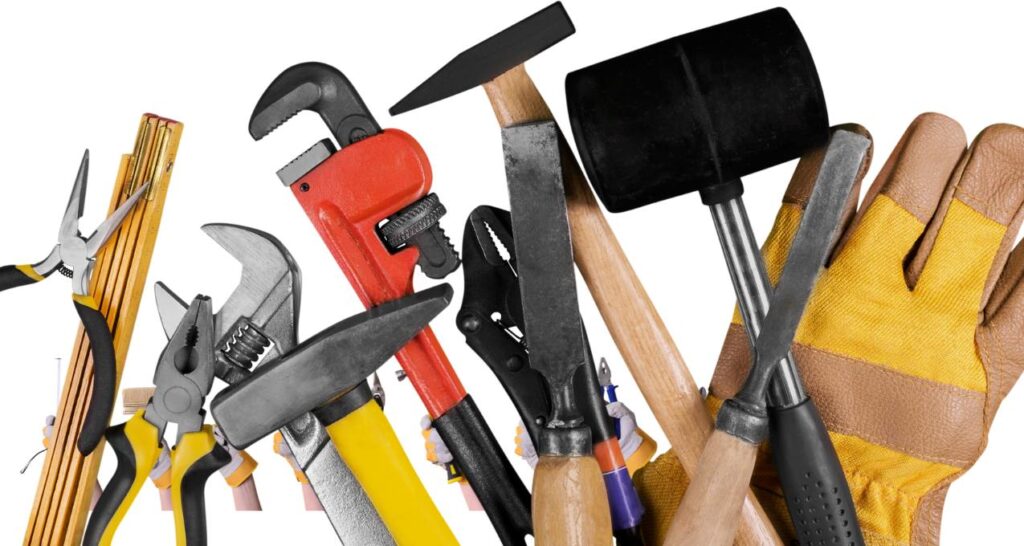
The world of hand tools is enormous.
Walk through any hardware store and you’ll find hundreds of different options, many of which are designed for highly specialized tasks. While professionals may require extensive collections, most homeowners can accomplish a surprising amount with a relatively small set of reliable tools.
If you’re building your toolkit from scratch, these are the hand tools worth prioritizing first.
Hammers
Few tools are as universally recognized as the hammer.
Despite its simplicity, a quality hammer remains one of the most useful tools a homeowner can own.
Whether you’re hanging pictures, assembling furniture, building shelves, driving nails, or removing old fasteners, a hammer is often one of the first tools you’ll reach for.
For most homeowners, a 16-ounce claw hammer provides the ideal balance between power and control.
The curved claw on the back is just as important as the striking face, allowing you to remove nails quickly and make adjustments during projects without damaging surrounding materials.
A hammer may seem basic, but every well-equipped toolkit should have one.
Related Guide: Complete Hammer Guide for DIY Projects
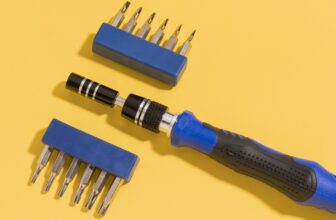
Screwdrivers
Modern homes are held together by screws.
From kitchen cabinets and door hardware to furniture and electronics, you’ll encounter screws almost everywhere.
Having the right screwdriver not only makes repairs easier but also helps prevent stripped screw heads and damaged hardware.
A homeowner’s toolkit should ideally include:
- Flathead screwdrivers
- Phillips screwdrivers
- Torx drivers
- Precision screwdrivers for small components
Many DIYers prefer multi-bit screwdriver systems because they save space while offering exceptional versatility.
Since screwdrivers are used so frequently, investing in a comfortable, well-made set is usually money well spent.
Related Guide: Essential Screwdrivers for Your Home Tool Kit
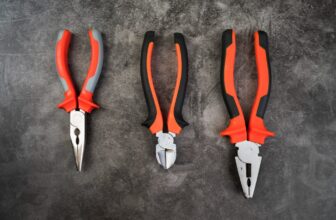
Pliers
Pliers are among the most versatile tools you’ll ever own.
They can grip, twist, bend, cut, hold, and manipulate materials in ways that would be difficult—or impossible—using your hands alone.
A basic collection should include:
Needle-Nose Pliers
Ideal for reaching tight spaces and handling small components.
Slip-Joint Pliers
Excellent for general household repairs and maintenance.
Tongue-and-Groove Pliers
Commonly used for plumbing and larger fittings.
Locking Pliers
Useful when extra holding power is required.
Whether you’re repairing plumbing, working with electrical components, or tackling automotive projects, a good set of pliers quickly proves its value.
Related Guide: The Complete Guide to Pliers
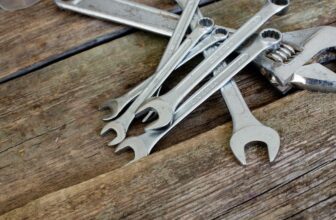
Wrenches
Whenever nuts, bolts, or fittings are involved, wrenches become essential.
For most homeowners, an adjustable wrench is the perfect starting point because it can accommodate multiple fastener sizes without requiring a large collection of individual wrenches.
As projects become more advanced, many DIYers expand their collection to include:
- Combination wrenches
- Socket wrenches
- Ratchets
- Pipe wrenches
These tools provide greater efficiency and precision when working on mechanical, plumbing, and maintenance tasks.
A quality wrench set often lasts for decades, making it one of the smartest long-term investments for any workshop.
Related Guide: Guide to Different Types of Wrenches
Utility Knives
The humble utility knife is one of the hardest-working tools in any toolbox.
It handles countless everyday tasks, including:
- Opening boxes
- Cutting drywall
- Trimming materials
- Removing caulk
- Scoring surfaces
- Cutting packaging
Because blades can be replaced quickly, a quality utility knife can remain useful for many years.
Look for a model with:
- Comfortable grip
- Secure blade lock
- Easy blade replacement system
You may not use it for every project, but when you need one, nothing else works quite as well.
Chisels
Many homeowners overlook chisels until they encounter a project that requires precision.
Wood chisels are particularly useful for:
- Fine woodworking
- Removing excess material
- Cleaning joints
- Trimming wood
- Adjusting fittings
A small set containing several common sizes is usually sufficient for most DIY applications.
Combined with a hammer or mallet, chisels provide a level of control that many power tools simply cannot match.
Hand Saws
Although power saws dominate many workshops today, hand saws still have an important place in DIY projects.
They’re quiet, portable, affordable, and ideal for smaller jobs where setting up a power tool would be unnecessary.
Popular options include:
Crosscut Saws
Designed for cutting across wood grain.
Rip Saws
Used for cutting along the grain.
Hacksaws
Perfect for cutting metal, plastic, and other materials.
A quality hand saw remains an incredibly practical tool for homeowners who enjoy occasional repairs and light woodworking projects.
Start with the Basics
Many beginners feel pressure to buy dozens of tools immediately.
Don’t.
A hammer, screwdriver set, pliers, adjustable wrench, utility knife, and tape measure can already solve a remarkable number of problems around the home.
As your skills develop and projects become more ambitious, you’ll naturally discover which additional tools deserve a place in your collection.
The goal isn’t to own every tool.
The goal is to own the right tools.
Of course, even the best hand tools rely on accurate measurements and proper planning. That’s why the next category of tools deserves a dedicated place in every homeowner’s toolkit: measuring and layout tools.
Measuring and Layout Tools
Even the highest-quality tools can’t compensate for poor measurements.
A board cut too short, a shelf installed slightly off level, or a cabinet mounted a few millimeters out of alignment can quickly turn a simple project into a frustrating experience.
That’s why experienced DIYers often follow a simple rule:
Measure twice, cut once.
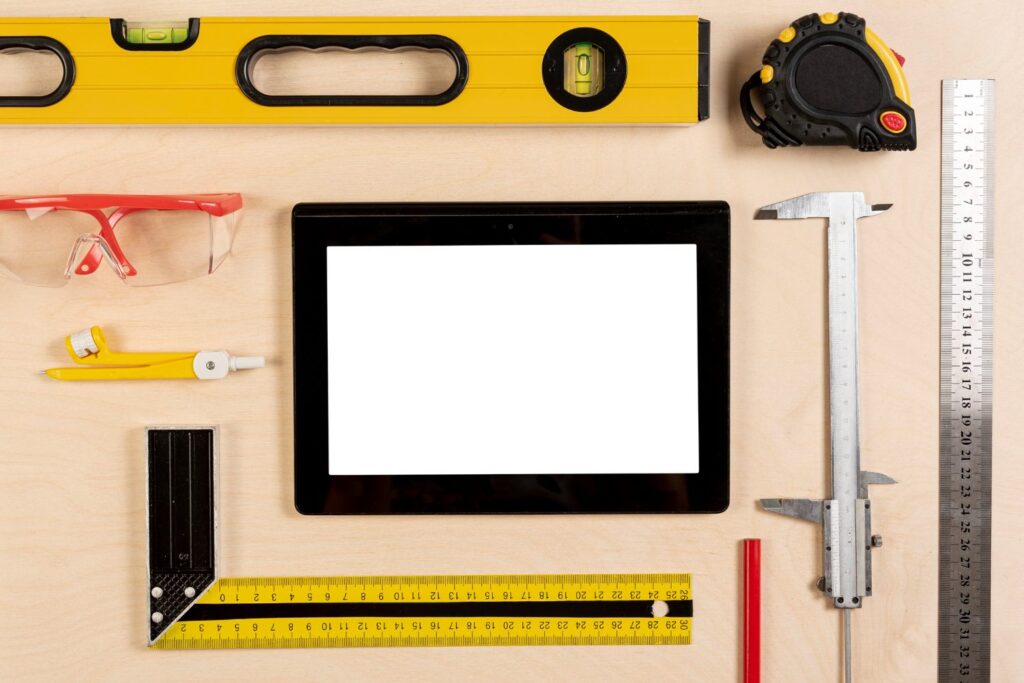
Accurate measurements save time, reduce waste, and improve the overall quality of every project you tackle.
Fortunately, building a collection of measuring and layout tools doesn’t require a huge investment. A handful of reliable tools can dramatically improve both precision and confidence.
Tape Measures
If there is one measuring tool every homeowner should own, it’s a quality tape measure.
Whether you’re planning a renovation, measuring furniture, cutting materials, or checking room dimensions, a tape measure is likely to be one of the most frequently used tools in your collection.
For most homeowners, a 25-foot tape measure offers the ideal balance between portability and versatility.
When choosing a tape measure, look for:
- Easy-to-read markings
- Durable blade construction
- Comfortable grip
- Reliable locking mechanism
A quality tape measure may not be exciting, but it’s one of the most important tools you’ll ever buy.
Levels
Nothing reveals poor workmanship faster than something that isn’t level.
Shelves, cabinets, televisions, picture frames, and trim work all depend on proper alignment.
A standard spirit level is usually sufficient for many projects, while smaller torpedo levels are useful in tighter spaces.
As projects become more advanced, many homeowners eventually add laser levels to their toolkit because they simplify layout work and improve accuracy over larger distances.
A level helps ensure your finished project not only functions properly but also looks professional.
Squares
Squares are designed to verify and create accurate angles.
They’re particularly useful when:
- Marking cuts
- Building furniture
- Framing structures
- Installing trim
- Working with lumber
One of the most versatile options is the combination square, which can be used for measuring, marking, and checking 90-degree angles.
Many DIYers underestimate how often a square becomes useful until they begin larger woodworking or renovation projects.
Marking Tools
Precise measurements are only helpful if they can be transferred accurately to the material you’re working with.
That’s where marking tools come in.
Common options include:
- Carpenter pencils
- Fine-tip markers
- Scribing tools
- Chalk lines
While simple, these tools play an important role in reducing mistakes and improving project accuracy.
A clearly marked cut line often makes the difference between a clean result and wasted material.
Why Measuring Tools Matter More Than Most People Realize
Many beginner DIYers focus on buying more tools when they should be focusing on better measurements.
A modest toolkit combined with accurate measuring and layout practices will often produce better results than an expensive workshop filled with poorly used equipment.
In many ways, measuring tools are the silent heroes of DIY projects. They work behind the scenes, ensuring that every cut, installation, and assembly step starts on the right foot.
Once you have reliable hand tools and accurate measuring equipment, the next step is learning about specialty hand tools that can make certain projects easier, faster, and more enjoyable.
Specialty Hand Tools
Once you’ve built a solid foundation of essential hand tools and measuring equipment, you’ll eventually encounter projects that call for something more specialized.
These tools may not be used every day, but when the right situation arises, they can save significant time, effort, and frustration.
Many experienced DIYers consider these tools “problem solvers” because they often handle tasks that basic tools simply weren’t designed to perform.
Here are some of the most useful specialty hand tools worth knowing about.
Clamps
If you’ve ever wished for an extra set of hands during a project, clamps are probably the solution.
Clamps hold materials securely in place while you cut, drill, glue, sand, or assemble components.
They’re especially useful for:
- Woodworking projects
- Furniture assembly
- Gluing operations
- Precision cutting
- Temporary positioning
Common types include:
Spring Clamps
Quick and convenient for light-duty tasks.
C-Clamps
Excellent for holding materials securely during demanding work.
Bar Clamps
Ideal for larger woodworking and assembly projects.
Many DIYers discover that it’s difficult to own too many clamps. Once you begin using them regularly, you’ll constantly find new situations where they make projects easier.
Files and Rasps
Not every project requires removing large amounts of material.
Sometimes you simply need to smooth an edge, enlarge an opening slightly, or refine a shape.
Files and rasps excel at this type of precision work.
They’re useful for:
- Smoothing wood
- Shaping materials
- Removing burrs
- Refining metal edges
- Adjusting fittings
While power tools can often perform similar tasks, files provide a level of control that’s difficult to match.
Pry Bars
Pry bars are among the most underrated tools in DIY.
They’re designed to provide leverage when lifting, separating, removing, or repositioning materials.
Common uses include:
- Removing trim
- Pulling nails
- Demolition work
- Separating boards
- Lifting heavy objects slightly
A small pry bar can quickly become one of the most useful tools in your toolbox, especially during renovation projects.
Hex Keys
Also known as Allen keys, these simple tools are found everywhere.
They’re commonly used for:
- Furniture assembly
- Bicycle maintenance
- Appliance adjustments
- Hardware installation
Many homeowners first encounter hex keys while assembling flat-pack furniture, but their usefulness extends far beyond that.
A complete metric and imperial set ensures you’re prepared for a wide range of situations.
Punches
Punches may not be the first tools that come to mind, but they serve several important functions.
They’re often used for:
- Marking drilling locations
- Removing pins
- Aligning holes
- Precision metal work
Center punches are particularly useful because they create small indentations that help guide drill bits and prevent wandering during drilling.
Putty Knives and Scrapers
For painting, repairs, and renovation projects, putty knives and scrapers are invaluable.
They help with:
- Filling holes
- Applying putty
- Removing paint
- Scraping adhesives
- Surface preparation
A flexible putty knife and a more rigid scraper are often all a homeowner needs for most projects.
The Right Tool Makes a Big Difference
One of the biggest lessons experienced DIYers learn is that using the correct tool often matters more than using the most expensive tool.
A specialty hand tool may sit unused for months, but when the right project arrives, it can transform a difficult task into a simple one.
That doesn’t mean you need to buy every specialty tool immediately.
Instead, build your collection gradually based on the projects you enjoy and the challenges you encounter.
Over time, you’ll develop a toolkit that reflects your skills, interests, and the type of work you perform most often.
Of course, owning good tools is only part of the equation. Choosing quality tools and avoiding common purchasing mistakes can save money, improve performance, and ensure your toolkit remains reliable for years to come.
Choosing Quality Hand Tools
Not all tools are created equal.
At first glance, two hammers may look nearly identical. Two screwdriver sets may appear to offer the same value. Yet after months—or even years—of use, the differences often become obvious.
Quality tools are typically safer, more comfortable, more durable, and more enjoyable to use. They perform better under stress and are less likely to fail when you need them most.
The good news is that choosing quality tools doesn’t necessarily mean buying the most expensive option available.
Instead, it’s about understanding what truly matters.
Materials Matter
The materials used to manufacture a tool play a major role in its performance and lifespan.
For hand tools, look for:
- Hardened steel components
- Corrosion-resistant finishes
- Reinforced construction
- Durable handle materials
For example, a screwdriver made from high-quality hardened steel will resist wear far longer than one made from softer metals.
Similarly, a hammer with a well-constructed handle can withstand years of repeated use without loosening or breaking.
While premium materials often cost more upfront, they frequently save money in the long run by reducing replacement costs.
Comfort and Ergonomics
Many beginners focus exclusively on price.
Experienced DIYers often focus on comfort.
A tool that feels uncomfortable in your hand may become frustrating during longer projects.
Look for features such as:
- Non-slip grips
- Balanced weight distribution
- Comfortable handle shapes
- Reduced hand fatigue
Even small ergonomic improvements can make a significant difference when a project requires hours of work.
Whenever possible, hold a tool before purchasing it. What feels comfortable to one person may not feel comfortable to another.
Durability and Reliability
A good hand tool should inspire confidence.
You shouldn’t have to wonder whether a wrench will slip, a screwdriver will bend, or a pair of pliers will fail under pressure.
Signs of durability often include:
- Solid construction
- Tight manufacturing tolerances
- Smooth moving parts
- Strong fastening points
- Positive user reviews
Tools that withstand years of regular use often become some of the best investments a homeowner can make.
Warranty and Brand Reputation
A strong warranty doesn’t automatically guarantee quality, but it often reflects a manufacturer’s confidence in its products.
Many respected tool companies offer:
- Lifetime warranties
- Easy replacement programs
- Reliable customer support
While brand reputation should never be the only factor in a purchasing decision, companies with long histories of producing quality tools have often earned that reputation for a reason.
Before purchasing a tool, it’s worth spending a few minutes researching reviews and warranty policies.
Avoiding the “Cheap Tool Trap”
One of the most common mistakes beginners make is buying the cheapest option available.
While budget-friendly tools can certainly have their place, extremely cheap tools often create problems such as:
- Poor fit and finish
- Reduced accuracy
- Lower durability
- Increased frustration
- Safety concerns
This doesn’t mean you need professional-grade equipment for every task.
Instead, focus on value.
A moderately priced tool that performs reliably for years is often a better investment than a bargain tool that needs replacing after a few projects.
Buy for Your Needs, Not Your Ego
It’s easy to be impressed by professional workshops filled with specialized equipment.
However, most homeowners don’t need hundreds of tools.
The smartest purchases are the ones that solve real problems and support the projects you actually plan to complete.
Before buying any tool, ask yourself:
- How often will I use it?
- What projects will it help me complete?
- Is there a simpler alternative?
- Will this tool provide long-term value?
These questions can prevent unnecessary purchases and help you build a collection that remains practical rather than cluttered.
Quality Over Quantity
Many experienced DIYers eventually arrive at the same conclusion:
A small collection of reliable tools is usually more valuable than a large collection of mediocre ones.
Focus on acquiring tools that are comfortable, durable, and suited to your needs. Over time, you’ll build a toolkit that not only performs better but also makes every project more enjoyable.
Of course, even quality tools can become frustrating if they’re purchased incorrectly or used improperly. That’s why it’s helpful to understand some of the most common mistakes beginners make when building their first hand tool collection.
Common Hand Tool Mistakes Beginners Make
Building a hand tool collection is fairly straightforward.
Building a useful hand tool collection is where many people go wrong.
Most mistakes don’t happen because someone lacks motivation or intelligence. They happen because beginners often make purchasing decisions based on assumptions rather than actual project needs.
The good news is that these mistakes are easy to avoid once you know what to look for.
Buying Tools Before Having a Project
A common trap for new DIY enthusiasts is buying tools simply because they look useful.
A trip to the hardware store turns into a shopping spree, and before long, the toolbox is filled with items that rarely get used.
A smarter approach is to let projects dictate purchases.
Need to install shelving?
Buy the tools required for shelving.
Building a workbench?
Add the tools that project demands.
This approach keeps spending under control and ensures every tool earns its place in your collection.
Choosing Quantity Over Capability
Large tool sets can be tempting.
A box containing 150 pieces sounds impressive, especially when compared to a smaller set with only a few dozen tools.
However, many large kits achieve those numbers by including multiple versions of rarely used components.
Meanwhile, the tools you’ll use most often may be average at best.
Instead of focusing on the number of pieces, focus on whether the set contains the tools you’ll actually reach for on a regular basis.
A smaller collection of dependable tools will often outperform a giant kit filled with compromises.
Using the Wrong Tool for the Job
Nearly every DIYer has done it at some point.
Using pliers instead of a wrench.
Using a flathead screwdriver as a pry bar.
Using a knife when scissors would be safer.
Sometimes it works.
Sometimes it creates damaged materials, damaged tools, or unnecessary frustration.
Tools are designed with specific purposes in mind. Learning which tool is appropriate for each task improves efficiency and often extends the life of both the tool and the project you’re working on.
Ignoring Tool Maintenance
Many people assume hand tools require no maintenance.
While they’re certainly less demanding than power tools, a little care goes a long way.
Neglected tools often develop:
- Rust
- Loose components
- Dull edges
- Reduced accuracy
Simple habits such as wiping tools clean, storing them properly, and occasionally applying light lubrication can dramatically extend their lifespan.
Focusing Too Much on Price
Price matters.
Everyone has a budget.
However, making decisions based solely on cost can create problems later.
The cheapest option isn’t always the best value, and the most expensive option isn’t always the best tool.
A better strategy is to focus on reliability.
Ask:
- Will this tool perform consistently?
- Does it feel comfortable to use?
- Is it built well enough for my needs?
The answers often matter more than the price tag itself.
Expecting Tools to Create Skills
Owning good tools is helpful.
But tools alone don’t produce good results.
Experience, patience, and practice play a much bigger role than many people realize.
A skilled DIYer with a basic toolkit will often produce better work than a beginner using premium equipment.
The goal isn’t to collect tools.
The goal is to learn how to use them effectively.
Building Your Collection Over Time
The most practical tool collections are rarely built in a single weekend.
They evolve naturally.
A homeowner completes a project, discovers a new need, adds a tool, gains experience, and moves on to the next challenge.
After a few years, the collection begins to reflect the projects completed, the skills developed, and the interests pursued.
That’s often a much better outcome than trying to buy everything at once.
The next question many people ask is how to build that collection efficiently without overspending. Fortunately, a few simple principles can help you get the most value from every tool purchase.
Building a Hand Tool Collection on a Budget
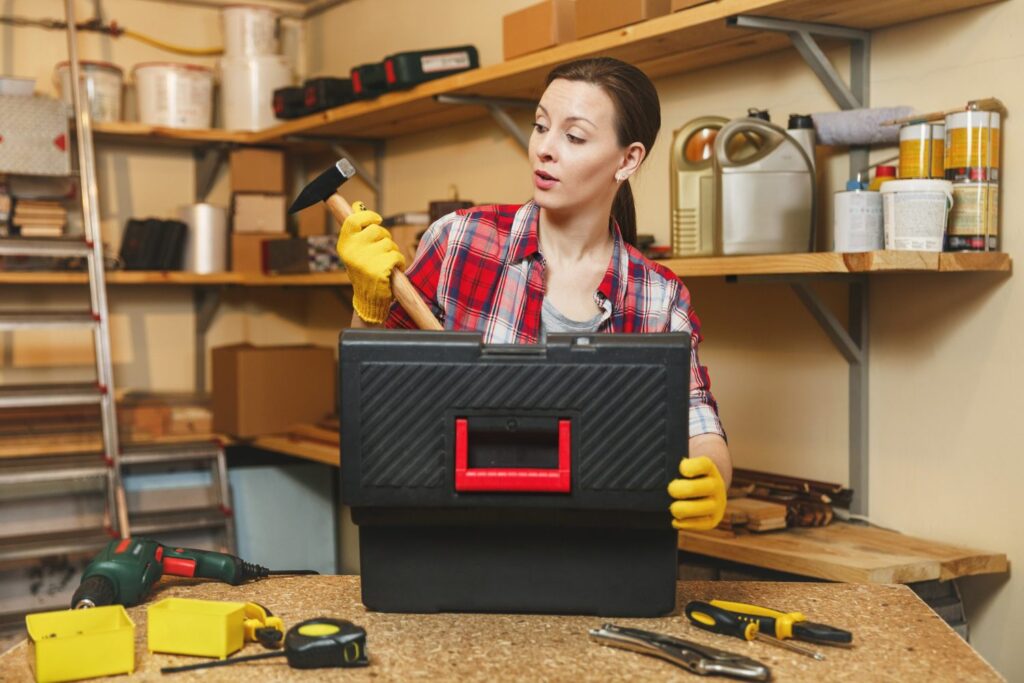
If you’ve ever watched a workshop tour on YouTube, you’ve probably experienced the same thought many beginners have:
“How am I supposed to afford all of that?”
Rows of tool chests.
Perfectly organized walls.
Hundreds of specialized tools.
It can make DIY feel expensive before you’ve even started.
The reality is much less intimidating.
Most experienced DIYers didn’t wake up one morning and buy a fully equipped workshop. Their collection grew one project at a time, often over many years.
In fact, if you ask people which tools they use most frequently, the answer is usually surprisingly short.
The majority of projects rely on the same handful of trusted tools over and over again.
That’s good news for your wallet.
The Beginner Approach: Start Small
Imagine you move into a new home tomorrow.
You don’t need fifty tools.
You need enough tools to handle the problems you’ll encounter during the first few months.
A loose cabinet handle.
A curtain rod installation.
Furniture assembly.
A shelf that needs mounting.
A squeaky door hinge.
For situations like these, a simple collection is often more than enough.
Focus on:
- Hammer
- Screwdriver set
- Adjustable wrench
- Pliers
- Tape measure
- Utility knife
- Level
Add a basic tool box to keep everything organized and you’re already ahead of many homeowners.
At this stage, simplicity is an advantage.
You’re learning what you actually use instead of guessing what you might use someday.
The Intermediate Stage: Solving Bigger Problems
Something interesting happens after a few successful projects.
Confidence grows.
You stop thinking:
“Can I do this?”
And start thinking:
“How can I do this better?”
This is usually when people begin expanding their collection.
Not because they want more tools.
Because they want better solutions.
Projects become slightly larger.
The jobs become more varied.
You begin discovering small frustrations that certain tools can eliminate.
This is often the stage where people add:
- Clamps
- Socket sets
- Chisels
- Better measuring tools
- Specialty pliers
- Additional wrenches
Each purchase has a purpose.
Each tool earns its place.
The Advanced Stage: Buying for Efficiency
One of the biggest differences between beginners and experienced DIYers isn’t skill.
It’s efficiency.
An experienced DIYer often owns certain tools because they save time rather than because they’re absolutely necessary.
Take clamps, for example.
A beginner might manage with one or two.
An experienced woodworker might own twenty.
Not because they’re showing off.
Because they’ve learned that searching for a free clamp halfway through a glue-up is surprisingly stressful.
The same principle applies across almost every category.
As projects become more ambitious, efficiency becomes more valuable.
A Simple Rule That Saves Money
Whenever you’re considering a new tool purchase, ask yourself:
“What project will I use this for in the next 30 days?”
If you have a clear answer, it’s probably a reasonable purchase.
If the answer is:
“I might need it someday.”
You can probably wait.
This single question has saved countless DIYers from buying tools that sit untouched for years.
The Toolbox Test
Here’s another simple exercise.
Open your toolbox.
Now imagine someone offered to carry only ten tools into your house and permanently remove everything else.
Which ten would you keep?
It’s an interesting thought experiment because it quickly reveals which tools actually create value in your daily life.
Most people discover that the tools they truly depend on aren’t the newest, most expensive, or most impressive.
They’re the reliable workhorses they’ve reached for hundreds of times before.
Build for the Projects You Want, Not the Projects Other People Do
One homeowner may spend weekends building furniture.
Another may focus on vehicle maintenance.
Someone else may enjoy gardening and outdoor projects.
All three will eventually build different tool collections.
And that’s perfectly normal.
The best toolkit isn’t the one that looks most impressive on social media.
It’s the one that helps you complete the projects you care about with less frustration and more confidence.
As your collection grows, one thing becomes increasingly important: taking care of the tools you’ve invested in. A few simple maintenance habits can keep hand tools performing reliably for many years and help you avoid replacing equipment unnecessarily.
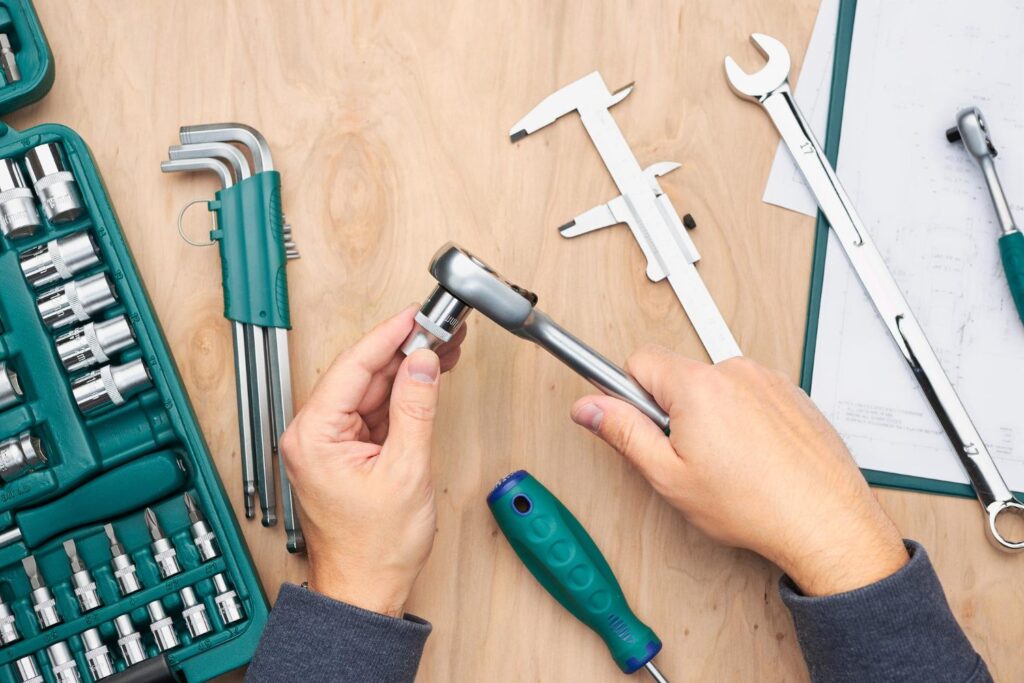
Caring for Your Hand Tools
There’s an old saying among craftsmen:
“Take care of your tools, and your tools will take care of you.”
It sounds simple, but there’s a lot of truth behind it.
In fact, one of the most surprising things about quality hand tools is how long they can last when treated properly.
It’s not uncommon to find hammers, chisels, wrenches, and planes that are thirty, forty, or even fifty years old still working perfectly today.
Many of them have passed through multiple generations.
The difference isn’t luck.
It’s maintenance.
Fortunately, keeping hand tools in good condition doesn’t require much time or effort.
A few simple habits can dramatically extend their lifespan and ensure they’re ready whenever a project comes calling.
Keep Them Clean
DIY projects can be messy.
Dust, dirt, glue, paint, sawdust, grease, and moisture all have a way of finding their way onto tools.
After finishing a project, take a minute to wipe tools down before putting them away.
It may seem insignificant, but those small moments of maintenance prevent buildup that can eventually affect performance.
A clean tool is also easier to inspect, making it simpler to spot wear or damage before it becomes a bigger problem.
Rust Is the Silent Enemy
If hand tools have a natural predator, it’s rust.
Moisture can slowly attack metal surfaces, leading to corrosion that affects appearance, performance, and longevity.
Garages, sheds, basements, and workshops often experience humidity fluctuations that accelerate the process.
To help prevent rust:
- Store tools in a dry location
- Wipe off moisture immediately
- Avoid leaving tools outdoors
- Apply a light protective oil when appropriate
Many DIYers learn this lesson after discovering an old tool they’ve neglected for a few years.
What could have lasted decades may suddenly require extensive restoration—or replacement.
Sharpening Makes a Bigger Difference Than Most People Realize
A dull tool is often more dangerous than a sharp one.
That might sound counterintuitive, but dull blades require more force, which increases the chances of slipping and losing control.
Tools that benefit from occasional sharpening include:
- Chisels
- Utility blades
- Hand saws
- Woodworking tools
Even basic sharpening skills can dramatically improve performance and make projects more enjoyable.
There’s something surprisingly satisfying about using a tool that cuts cleanly and effortlessly.
Protect Moving Parts
Some hand tools contain pivots, joints, threads, or adjustable mechanisms.
Pliers, adjustable wrenches, locking pliers, and clamps all perform better when moving parts remain clean and lubricated.
A small drop of lubricant every now and then can help:
- Prevent corrosion
- Improve operation
- Reduce wear
- Extend service life
It’s a small investment that pays off over many years.
Store Tools Where They Belong
Most tool damage doesn’t happen during projects.
It happens between projects.
Tools tossed into random drawers, left on workbenches, or piled carelessly into boxes tend to suffer unnecessary wear.
Good storage isn’t just about organization.
It’s about protection.
Whether you use:
- A tool box
- A tool bag
- A pegboard
- A cabinet system
having a designated home for each tool makes your workspace more efficient and helps keep equipment in better condition.
The Hidden Benefit of Tool Maintenance
Something interesting happens when you start caring for your tools.
You begin paying more attention to them.
You notice how they work.
You understand their strengths and limitations.
You develop habits and skills that make every project smoother.
In many ways, maintaining tools isn’t really about the tools at all.
It’s about becoming a more capable DIYer.
The more familiar you become with your equipment, the more confidently you’ll approach new projects and challenges.
And that’s ultimately what a good toolkit is supposed to do: give you the confidence to tackle problems, learn new skills, and improve your home one project at a time.
Before we wrap things up, let’s answer some of the most common questions homeowners have when building their first hand tool collection.
Frequently Asked Questions
What are the most important hand tools for a beginner?
If you’re starting from scratch, don’t overthink it.
A hammer, screwdriver set, pliers, adjustable wrench, tape measure, utility knife, and level will handle a remarkable number of everyday tasks.
Many people assume they need dozens of tools before they can begin tackling projects. In reality, some of the most useful DIY skills are learned with a surprisingly small toolkit.
Start simple, gain experience, and let future projects guide your next purchases.
Is it better to buy a hand tool set or individual tools?
That depends on where you are in your DIY journey.
A quality starter set can be an excellent value because it provides many essentials in one purchase. It’s often the fastest way to build a functional toolkit.
However, as your skills develop, you’ll likely discover that some tools get used constantly while others rarely leave the toolbox.
That’s when buying individual tools starts making more sense.
Think of a starter set as a foundation rather than a final destination.
How long should quality hand tools last?
Longer than most people expect.
A well-made hammer, wrench, or pair of pliers can easily last decades with basic care.
In fact, many DIYers still use tools that originally belonged to their parents or grandparents.
Hand tools are one of the few purchases where longevity is genuinely achievable. Unlike electronics that become outdated, a quality hand tool can remain useful for a lifetime.
Should I buy premium brands as a beginner?
Not necessarily.
One of the biggest misconceptions in DIY is that better tools automatically create better results.
Skill, patience, and practice matter far more.
As a beginner, focus on reliable tools that feel comfortable to use and fit your budget. As you gain experience, you’ll naturally discover where investing in higher-end tools provides real value.
There’s no need to build a professional workshop on day one.
What’s the difference between a cheap tool and a good value tool?
A cheap tool is purchased because of the lowest price.
A good value tool is purchased because it performs well for the money.
Those aren’t always the same thing.
Sometimes a budget-friendly tool offers tremendous value. Other times, spending a little more results in a tool that lasts years longer and performs significantly better.
The goal isn’t to spend the least amount possible.
The goal is to spend wisely.
How should I store hand tools?
The best storage system is the one you’ll actually use consistently.
For some homeowners, that’s a simple tool box.
For others, it might be a tool bag, wall organizer, pegboard, or workshop cabinet.
What’s most important is protecting tools from moisture, keeping them organized, and making them easy to find when needed.
Nothing slows down a project faster than spending twenty minutes searching for a screwdriver you know you own somewhere.
Can hand tools replace power tools?
Sometimes.
Many repairs and maintenance tasks can be completed entirely with hand tools.
In fact, hand tools often provide greater precision and control for delicate work.
That said, power tools become extremely valuable when projects involve repetitive tasks, large materials, or significant amounts of cutting, drilling, or fastening.
The best approach isn’t choosing one or the other.
It’s understanding when each tool is most appropriate.
What is the biggest mistake new DIYers make?
Buying tools before building skills.
Many people spend weeks researching equipment and comparing brands before completing their first project.
A better approach is to start small.
Choose a simple project.
Use the tools you have.
Learn from the experience.
The confidence gained from finishing a project successfully is often worth more than any tool you could buy.
Final Thoughts
There’s something satisfying about solving a problem with your own hands.
Maybe it’s fixing a loose cabinet hinge that has annoyed you for months. Maybe it’s building a shelf exactly the way you imagined it. Or maybe it’s simply knowing that when something breaks, you’re capable of handling it yourself.
That’s the real value of hand tools.
They’re not just pieces of metal stored in a toolbox.
They’re problem-solvers.
Confidence-builders.
Skill-builders.
And in many ways, they’re the gateway into the broader world of DIY.
You don’t need a workshop packed with expensive equipment to get started.
You don’t need years of experience.
You don’t need to know everything.
You simply need a few reliable tools, a willingness to learn, and the confidence to take on the next project.
Every experienced DIYer started exactly where you are now.
One tool.
One repair.
One project at a time.
Build your toolkit slowly.
Learn continuously.
And remember that the goal isn’t to own the most tools—it’s to own the right tools and know how to use them.
The rest will come naturally.