Bob_M
Bob_M
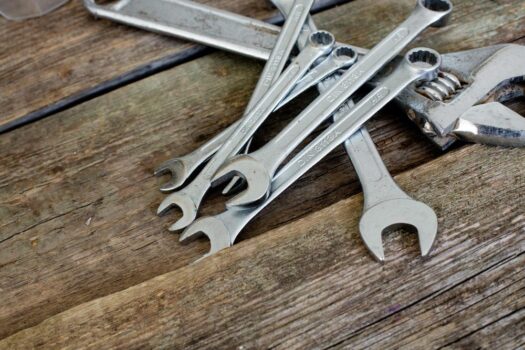
There’s a moment in almost every DIY project when you discover something important.
Not every fastener is a screw.
Some projects are held together with nuts and bolts.
Disclaimer:
Our recommendations are based on extensive experience with and/or knowledge of these products, and we do so not because of the modest commissions we could earn but rather because we believe they are actually beneficial and useful. We are honored to be these tools' affiliates. We might receive commissions from Amazon, and other merchants when you buy something after clicking one of our links. Our affiliate policy is covered in more detail here. If you don't think these things will help you accomplish your goals, please don't spend any money on them.
And that’s usually when people reach for the nearest pair of pliers.
Sometimes it works.
Sometimes it slips.
Sometimes the nut ends up looking like it lost a fight with a lawn mower.
That’s exactly why wrenches exist.
Unlike pliers, which grip from the outside, a properly sized wrench fits the fastener itself. The result is better control, more turning force, and far less chance of damaging the hardware.
It’s one of those tools that doesn’t seem particularly exciting until the day you need one.
Then nothing else feels quite right.
The interesting part is that “wrench” isn’t a single tool.
Walk into any hardware store and you’ll find adjustable wrenches, combination wrenches, socket wrenches, torque wrenches, pipe wrenches, Allen keys… and suddenly a simple shopping trip feels like you’re studying a new language.
The good news is that most homeowners don’t need to own every type.
In fact, a small collection of well-chosen wrenches can handle years of repairs, furniture assembly, bicycle maintenance, plumbing jobs, and countless household projects.
The real trick isn’t owning more wrenches.
It’s knowing which one belongs on the fastener in front of you.
Because the right wrench doesn’t just make the job easier.
It often prevents the problem that the wrong tool creates.
The Most Common Types of Wrenches
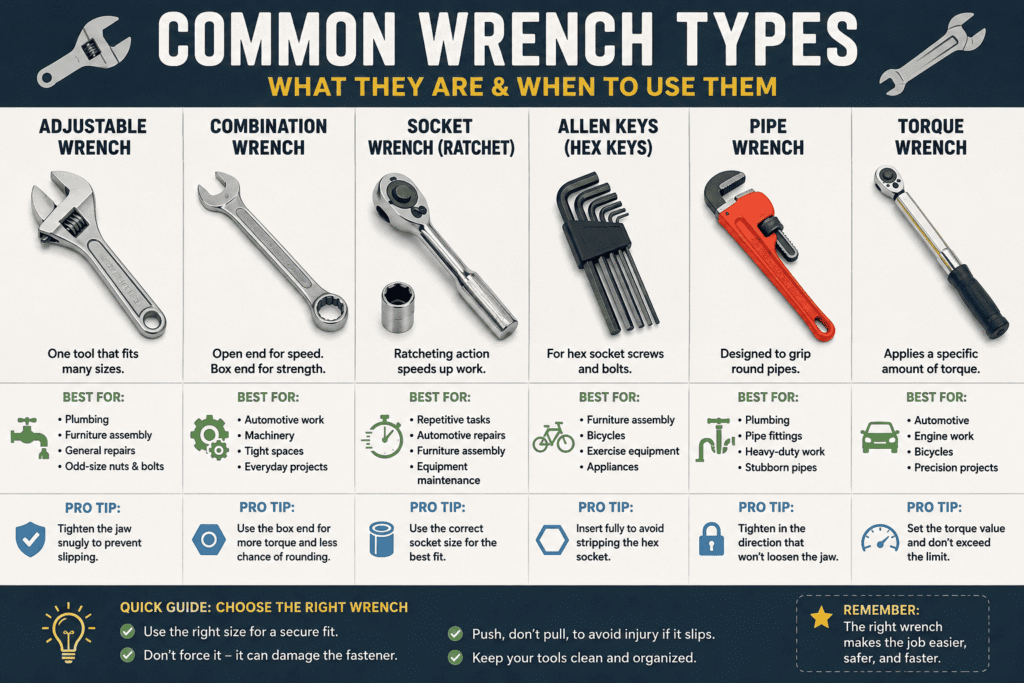
One look at the wrench aisle is enough to convince many beginners they’re missing an engineering degree.
Combination wrenches.
Socket wrenches.
Adjustable wrenches.
Pipe wrenches.
Torque wrenches.
Flare nut wrenches.
Crowfoot wrenches.
Relax.
Unless you’re opening an auto repair shop tomorrow, you don’t need to know all of them.
For most homeowners, understanding a handful of common types is more than enough.
Adjustable Wrench
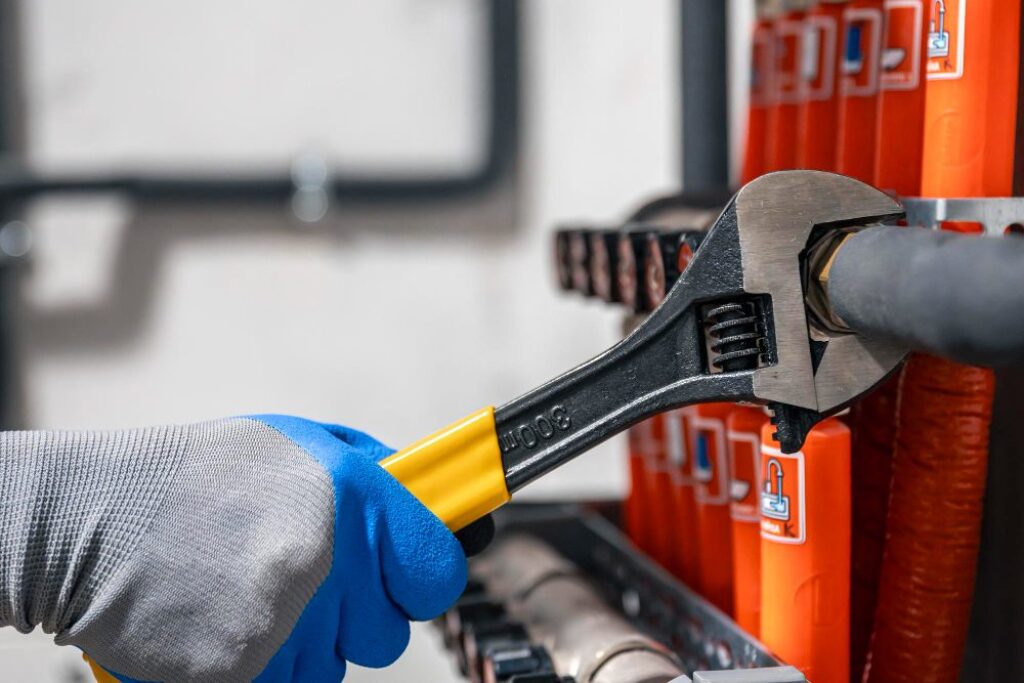
If one wrench deserves a permanent place in every toolbox, this is probably it.
An adjustable wrench uses a movable jaw, allowing one tool to fit a variety of nut and bolt sizes.
It’s perfect for:
- Furniture assembly
- Bicycle repairs
- Household maintenance
- Plumbing fixtures
- General DIY jobs
It’s often the first wrench people buy.
And for good reason.
Just remember one thing.
Adjust the jaw so it fits tightly before turning.
A loose adjustable wrench has a bad habit of rounding off fasteners.
Combination Wrench
This is the wrench you’ll see hanging on workshop walls all over the world.
One end is open.
The other end forms a closed ring.
Each side has its purpose.
The open end works well when speed matters.
The box end provides a much stronger grip when the fastener is stubborn.
Once you own a socket set, these become your next best friends.
Socket Wrench
Some jobs involve one bolt.
Others involve fifty.
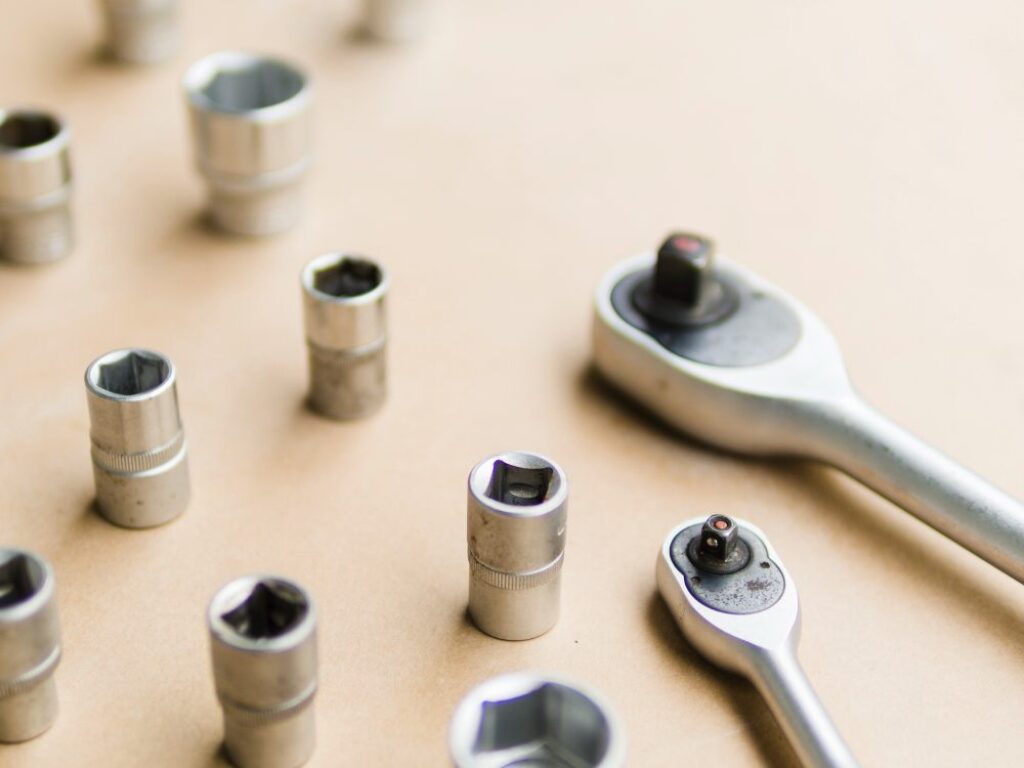
That’s where socket wrenches earn their reputation.
Instead of removing and repositioning the wrench after every turn, the ratcheting mechanism lets you keep working with a simple back-and-forth motion.
Once you’ve used one while assembling furniture or repairing equipment, going back to a standard wrench feels surprisingly slow.
It’s one of those tools that quietly saves a lot of time.
Allen Keys (Hex Keys)
Technically, these aren’t traditional wrenches.
But almost everyone calls them Allen keys.
And almost every homeowner owns a handful without knowing where they came from.
New furniture.
Office chairs.
Bicycles.
Exercise equipment.
Somehow, Allen keys multiply inside drawers like socks in a laundry basket.
Small, inexpensive, and incredibly useful, they’re responsible for assembling a surprising percentage of modern life.
Pipe Wrench
This one is impossible to confuse with anything else.
Large.
Heavy.
Aggressive.
Pipe wrenches were designed to grip round objects like metal pipes.
The serrated jaws bite into the surface, making them ideal for plumbing work.
That also explains why they’re terrible for decorative hardware.
A pipe wrench doesn’t care if something stays pretty.
It cares if it moves.
Torque Wrench
Some fasteners need to be tight.
Others need to be exactly tight.
That’s where a torque wrench comes in.
Instead of guessing, it applies a precise amount of force.
This matters for:
- Car wheels
- Engine components
- Bicycles
- Safety-critical equipment
For everyday household repairs, you probably won’t use one very often.
But for the right jobs, it’s an essential tool.
Which Wrenches Should You Buy First?
It’s easy to think you need a complete mechanic’s workshop.
Most homeowners don’t.
A practical starting point looks something like this:
- Adjustable wrench
- Combination wrench set
- Ratcheting socket set
- Basic Allen key set
That combination covers the vast majority of household repairs you’ll encounter.
Everything else can wait until a specific project gives you a reason to buy it.
Because just like every other tool we’ve discussed, the smartest collections aren’t built in one shopping trip.
They’re built one project at a time.
Building Your First Wrench Collection
Buying your first set of wrenches can feel a little overwhelming.
Manufacturers love selling huge kits filled with dozens of sizes.
They certainly look impressive.
The problem?
Many homeowners end up using the same four or five wrenches while the rest quietly wait for retirement.
A smaller, well-chosen collection is usually a much smarter investment.
The Four-Wrench Rule
If I were helping a friend build a toolbox from scratch, here’s where I’d begin.
1. Adjustable Wrench
If you can only buy one wrench today, make it this one.
Its adjustable jaw allows it to handle a wide range of fastener sizes, making it incredibly useful for everyday repairs.
From tightening a loose chair to installing a washing machine hose, it’s one of those tools you’ll reach for again and again.
2. Combination Wrench Set
An adjustable wrench is versatile.
A properly sized combination wrench is better.
Because it fits the fastener perfectly, it delivers:
- Better grip
- More torque
- Less slipping
- Less chance of rounding the corners
A basic metric set will cover the majority of household projects, especially if you live outside the United States.
If you’re in the U.S., consider owning both SAE and metric over time.
3. Ratcheting Socket Set
This is the tool that makes repetitive work enjoyable.
Well… as enjoyable as tightening twenty bolts can be.
Whether you’re assembling equipment, working on bicycles, or maintaining outdoor gear, a socket set saves time and frustration.
Once you’ve used one, you’ll wonder why you waited so long.
4. Allen Key Set
Some tool purchases are exciting.
Allen keys are not.
But they’re quietly responsible for assembling:
- Flat-pack furniture
- Office chairs
- Bed frames
- Fitness equipment
- Children’s toys
- Bicycles
Buying a quality set with clearly marked sizes is one of those inexpensive upgrades you’ll appreciate for years.
Buy the Project, Not the Collection
Here’s a mistake many beginners make.
They buy tools for imaginary future projects.
Instead, let your projects guide your purchases.
Replacing a faucet?
Now a pipe wrench makes sense.
Working on your bike every weekend?
A torque wrench might become a worthwhile investment.
Building a deck?
You’ll probably add more sockets and combination wrenches.
Your toolbox should grow alongside your experience.
Not ahead of it.
Don’t Ignore Comfort
You’ll notice something the first time you spend an afternoon using wrenches.
Comfort matters.
Sharp edges dig into your hand.
Poorly finished handles become uncomfortable surprisingly quickly.
And cheap ratchets often remind you exactly how inexpensive they were.
A well-made wrench doesn’t just last longer.
It makes the job noticeably more enjoyable.
A Collection That Earns Its Place
Take a look inside the toolbox of someone who’s been fixing things for twenty years.
You’ll rarely find tools that were bought “just in case.”
Instead, you’ll find tools that earned their place.
Each one solved a real problem.
Each one saved a difficult repair.
Each one has a story behind it.
That’s a much better way to build a toolbox than filling a drawer with tools you may never touch.
Because the best tool collections don’t impress visitors.
They quietly make everyday repairs easier.
And that’s exactly what a good wrench collection should do.
The next challenge isn’t choosing the right wrench.
It’s avoiding the mistakes that damage fasteners, knuckles… and occasionally your patience.
Common Wrench Mistakes (And How to Avoid Them)
Wrenches have one job.
Grip a fastener.
Turn it.
Simple.
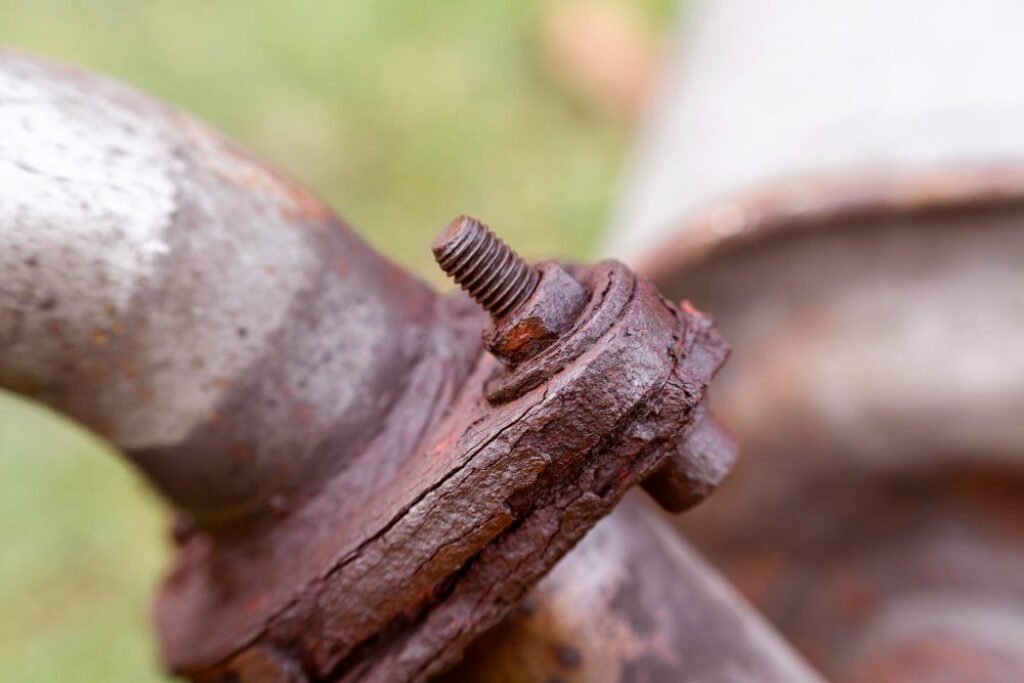
So why do so many DIY projects end with rounded nuts, scraped knuckles, or a string of words that shouldn’t be repeated around children?
Usually because of a few common mistakes.
Fortunately, they’re also some of the easiest mistakes to avoid.
Using the Wrong Size Wrench
This is probably the fastest way to ruin a perfectly good fastener.
A wrench that is slightly too large may seem close enough.
It isn’t.
As force is applied, the wrench begins slipping across the corners instead of gripping them.
The result is a rounded nut that’s much harder to remove.
If you’re between two sizes, don’t “make it work.”
Find the correct wrench.
Your future self will appreciate the extra thirty seconds.
Pulling Instead of Pushing
Imagine you’re trying to loosen a stubborn bolt.
Most people instinctively pull the wrench toward themselves.
The problem?
If the wrench slips, your hand continues travelling at full speed.
Usually toward something hard.
Or sharp.
Or both.
Whenever possible, push the wrench instead.
If it slips, your hand moves away from the work instead of into it.
Your knuckles will thank you.
Using an Adjustable Wrench Incorrectly
An adjustable wrench is incredibly useful.
But only if it’s adjusted properly.
The movable jaw should fit snugly against the fastener before you apply force.
If there’s any noticeable play, the wrench is far more likely to slip.
Another useful habit is to position the movable jaw so the turning force pushes against the fixed jaw whenever possible.
That small adjustment gives the wrench a much more secure grip.
Extending the Handle With a Pipe
We’ve all seen it.
Someone slides a long pipe over the handle to create more leverage.
Sometimes it works.
Sometimes the bolt breaks.
Sometimes the wrench breaks.
Sometimes something far more expensive breaks.
Extra leverage also multiplies the force placed on the tool and the fastener.
Before reaching for a pipe, ask yourself a better question:
“Why is this fastener refusing to move?”
Rust?
Thread locker?
Cross-threading?
Finding the cause is usually smarter than simply applying more force.
Forgetting Lefty-Loosey… Isn’t Always True
Most fasteners loosen by turning counterclockwise.
But not all of them.
Some machinery, bicycle components, gas fittings, and specialty equipment use reverse threads.
If something feels unusually stubborn, don’t immediately assume it needs more force.
Take a moment to confirm you’re turning it the correct direction.
It sounds obvious.
Until it happens to you.
Choosing Speed Over Control
A wrench isn’t a race.
Large, jerky movements usually create less control.
Smooth, steady pressure is almost always more effective.
It also helps you feel when something isn’t right.
A bolt beginning to strip often gives subtle warning signs.
You’ll notice them much sooner if you’re paying attention instead of rushing.
The Real Lesson
Most wrench problems don’t begin with the wrench.
They begin with impatience.
The wrong size.
Too much force.
Trying to “make it work.”
Ironically, the repairs that go fastest are usually the ones where someone slows down first.
Choose the correct wrench.
Make sure it fits properly.
Apply steady pressure.
And let the tool do what it was designed to do.
You’ll spend far less time fixing damaged fasteners—and far more time finishing the project.
Because sometimes the difference between a ten-minute repair and a two-hour headache is nothing more than using the right wrench from the start.
When an Adjustable Wrench Saves the Day
Every toolbox has one tool that quietly earns everyone’s respect.
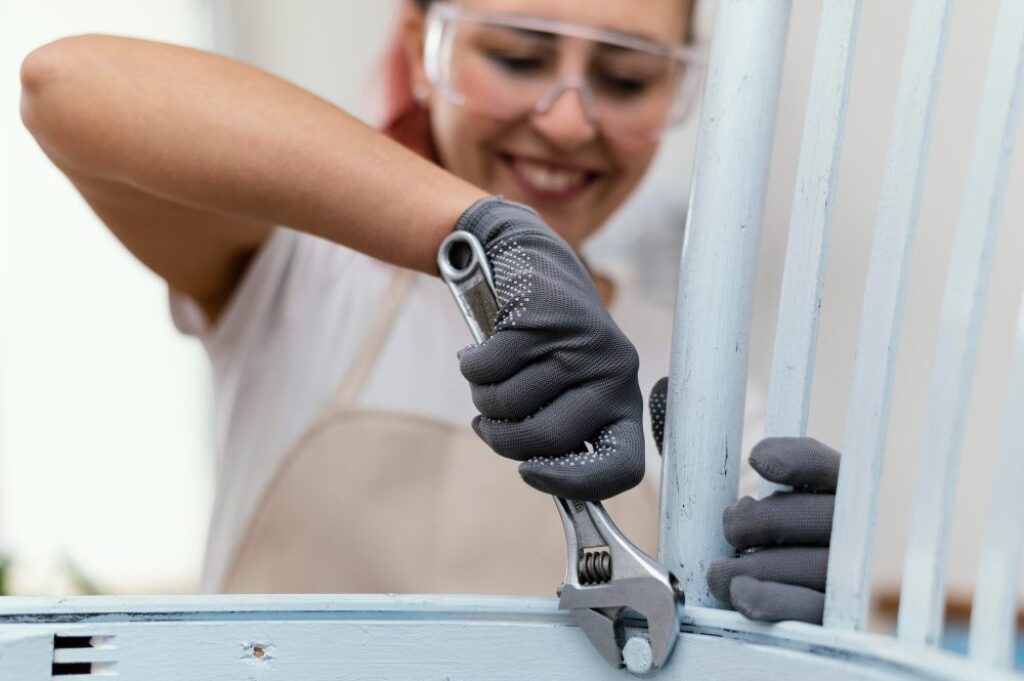
For many homeowners, that’s the adjustable wrench.
It doesn’t look particularly impressive.
It isn’t the newest tool.
And it’s certainly not the most expensive.
Yet it has an uncanny ability to appear exactly when you need it.
The Missing Wrench Problem
Imagine you’re tightening a loose chair.
The nut is 14 mm.
You own 13 mm.
You own 15 mm.
You own absolutely nothing in between.
This is where the adjustable wrench smiles politely and says,
“I’ve got this.”
Instead of searching for another wrench—or making an unnecessary trip to the hardware store—you simply adjust the jaw and get on with your day.
It’s one of those tools that rewards preparation without demanding an entire drawer full of equipment.
Plumbing Always Has a Surprise Waiting
Replacing a faucet sounds straightforward.
Until you crawl under the sink.
Suddenly you’re working in a space clearly designed for someone with three elbows and tiny hands.
Every fitting seems to be a slightly different size.
An adjustable wrench thrives in situations like this.
Instead of constantly changing tools, one quick adjustment is often all it takes to move to the next fitting.
It’s not magic.
It just feels like it.
The Bike Repair That Wasn’t Planned
Sometimes the project wasn’t even supposed to happen.
You notice the handlebars feel loose.
A child’s bicycle needs a quick adjustment before the weekend.
The lawn mower vibrates more than usual.
None of these jobs justify carrying an entire wrench set into the garage.
One adjustable wrench often handles them all.
That’s why it’s one of the first tools many homeowners instinctively reach for.
Not because it’s perfect.
Because it’s ready.
The Furniture Box With No Instructions
We’ve all been there.
You’re halfway through assembling a piece of furniture.
The tiny wrench included in the box has disappeared.
Or bent.
Or never existed in the first place.
An adjustable wrench usually finishes the job with far less frustration.
Although let’s be honest…
The real challenge is still figuring out why there are three screws left over.
The Tool That Travels Everywhere
Professional mechanics usually carry complete wrench sets.
Homeowners don’t always have that luxury.
An adjustable wrench is one of those tools that easily fits into:
- A small toolbox
- A kitchen drawer
- A car emergency kit
- A camping toolbox
It’s the tool you pack when you don’t know exactly what you’ll need.
And somehow, that’s often enough.
Not a Replacement—A Reliable Backup
An adjustable wrench isn’t designed to replace every other wrench.
A properly sized combination wrench will usually grip better.
A socket wrench will usually work faster.
A torque wrench will always be more precise.
But that’s not the point.
The adjustable wrench earns its place because life doesn’t always happen inside a well-equipped workshop.
Sometimes you simply need one reliable tool that can adapt to whatever problem appears next.
And few tools do that better.
That’s why experienced DIYers rarely think of an adjustable wrench as a compromise.
They think of it as insurance.
The tool that’s quietly waiting for the moment every other wrench is somewhere else.
When You Need More Than a Wrench
Wrenches are excellent at one thing.
Turning nuts and bolts.
The problem is that not every repair revolves around nuts and bolts.
One of the biggest improvements you can make as a DIYer is learning when another tool is simply better suited to the job.
Choosing the right tool doesn’t just make repairs easier.
It usually prevents new problems from appearing.
When the Fastener Is a Screw
It sounds obvious.
But we’ve all done it.
You’re holding an adjustable wrench.
The screw is right there.
For a brief moment, your brain wonders if you can somehow make this work.
You can’t.
Or at least, you shouldn’t.
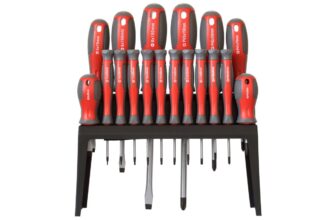
Screws are designed for screwdrivers.
A properly fitted screwdriver provides far more control and dramatically reduces the chance of damaging the screw head.
By the time you’re reaching for pliers or locking grips, something has usually gone wrong already.
Related Guide: Essential Screwdrivers for Your Home Tool Kit
When Grip Matters More Than Turning
Sometimes the challenge isn’t rotating the fastener.
It’s holding it.
Gripping a bent bracket.
Pulling a stubborn nail.
Holding a small component while tightening a bolt.
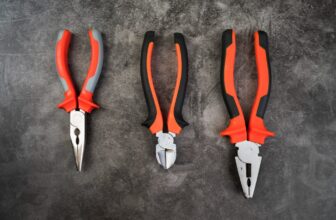
That’s where pliers take over.
Trying to perform those jobs with a wrench is a little like eating spaghetti with a spoon.
Possible?
Maybe.
Practical?
Not really.
Related Guide: The Complete Guide to Pliers
When Force Wins
Loose framing.
Stubborn nails.
Light demolition.
Persuading two pieces of wood to cooperate.
A wrench has very little to contribute here.
That’s hammer territory.
One of the easiest ways to recognize the right tool is to ask yourself a simple question:
“Am I turning something… or hitting something?”
If the answer involves swinging your arm instead of rotating your wrist, it’s time to put the wrench down.
Related Guide: Complete Hammer Guide for DIY Projects
When Precision Starts Before the Repair
Some projects fail before the first bolt is even tightened.
A shelf sits slightly crooked.
A TV bracket ends up a few centimeters too high.
A cabinet handle isn’t centered.
The wrench didn’t cause the mistake.
The measurement did.
Experienced DIYers often spend more time checking measurements than tightening hardware.
Because once a bolt is tightened, moving everything usually takes much longer than measuring correctly in the first place.
Related Guide: Essential Measuring Tools for Home DIY Projects
The Toolbox Works as a Team
One lesson keeps appearing throughout every guide we’ve written.
No single tool does everything well.
That’s actually good news.
It means you don’t need the biggest toolbox.
You simply need to understand what each tool does best.
A wrench turns.
A screwdriver drives.
Pliers grip.
A hammer strikes.
Each one has a role.
And when every tool stays in its lane, DIY projects become faster, cleaner, and far less frustrating.
Of course, even after choosing the right wrench, a few questions come up again and again.
Let’s answer the ones homeowners ask most often.
Frequently Asked Questions
What is the most useful wrench for a homeowner?
If you only buy one wrench, make it an adjustable wrench.
It won’t replace every other wrench, but it’s versatile enough to handle a wide variety of everyday repairs, furniture assembly, plumbing fixtures, and bicycle maintenance.
As your DIY experience grows, adding a combination wrench set and a socket set will cover almost everything else.
What’s the difference between an adjustable wrench and a combination wrench?
An adjustable wrench can fit multiple fastener sizes using its movable jaw.
A combination wrench is made for one specific size.
Because of that, a combination wrench usually provides a stronger grip, better torque, and is less likely to damage nuts and bolts.
Think of the adjustable wrench as the versatile backup, while the combination wrench is the precision specialist.
Can I use a wrench instead of pliers?
Sometimes.
But they’re designed for different jobs.
Wrenches turn fasteners.
Pliers grip objects.
If you need to loosen a nut or bolt, a wrench is almost always the better choice.
If you need to hold, bend, pull, or grip something, pliers are usually the right answer.
Why do nuts and bolts become rounded?
The most common causes are:
- Using the wrong size wrench
- Using an adjustable wrench that isn’t tightened properly
- Applying excessive force
- Using worn-out tools
Once the corners become rounded, removing the fastener becomes much more difficult.
Choosing the correct wrench from the start is usually the easiest solution.
Do I need both metric and SAE wrenches?
That depends on what you’re working on.
Most furniture, bicycles, and modern products outside the United States use metric fasteners.
Many older tools, vehicles, and equipment in North America still use SAE sizes.
If you’re just getting started, a metric set is often the best first purchase.
You can always expand your collection later if your projects require it.
Are socket wrenches better than regular wrenches?
Not better.
Just different.
Socket wrenches excel when you’re tightening or loosening many fasteners because the ratcheting mechanism speeds up repetitive work.
Combination wrenches often work better in tighter spaces or where sockets won’t fit.
Most DIYers eventually own both because each solves different problems.
How should I store my wrenches?
Keep them:
- Clean
- Dry
- Organized by size
A wrench organizer, toolbox tray, or wall rack makes finding the correct size much faster and helps prevent unnecessary wear.
What’s the biggest mistake beginners make?
Trying to make the wrong wrench fit.
A wrench that’s “close enough” rarely is.
Taking a few extra seconds to grab the correct size usually saves far more time than trying to force the wrong one to work.
Final Thoughts
Wrenches don’t receive much attention.
Most people simply assume they’re pieces of metal designed to turn nuts and bolts.
In a way, that’s true.
But like many tools, the difference isn’t in what they do.
It’s in how well they do it.
The right wrench fits perfectly.
The wrong wrench slips.
The right wrench makes a repair feel effortless.
The wrong wrench creates the repair you didn’t plan on making.
That’s why experienced DIYers rarely judge a tool by how often they use it.
They judge it by how much frustration it prevents.
A well-chosen wrench collection doesn’t need dozens of pieces.
It simply needs the right pieces.
Start with the basics.
Learn which wrench belongs in each situation.
Add new tools when real projects demand them.
And remember:
A successful DIY project isn’t about owning every tool in the store.
It’s about reaching for the right one at the right moment.
More often than not, that’s exactly what a good wrench allows you to do.